


Having a backlog helps maintain or increase a deferral, while running out of work will cause the taxpayer to recognize the total deferral. Is your organization engaged in projects that take longer than a year to complete? The proper revenue recognition for such long-term projects often necessitates using the ‘percentage-of-completion’ method. This article provides an overview of when this method becomes necessary and its operational principles. If the taxpayer or the contract does not qualify for the completed contract method, then the percentage of completion method must be used. We don’t do the completed contract method or the percentage of completion method (my preference) to appease the accounting gods (unless you are required to get an audit by your bank or insurance carrier).
- This book will show you how, and it will show real examples of how this works and how much you can potentially profit, and how bonds, at times, can even be better than stocks.
- Over the following months, you’ll buy materials, schedule and pay your crew, and deal with suppliers.
- Any additional costs incurred in completing the performance of the contract are deductible against the recognized disputed revenue.
- But don’t get too excited because not everyone can take advantage of cash basis.
- If the specifics of your contract allow you to do so, then the completed contract method is technically plausible.
- Tax laws can be complex and may vary based on the project and business structure.
Construction Collaboration: Navigating the Intersection of Project Management and Accounting
Explore the nuances of the Completed Contract Method for recognizing revenue, its financial implications, and its application across industries. Our ACA reporting & e-filing services include official 1094-C and 1095-C IRS reporting, optional e-filing (no applying for a TCC code required), mailing to your employees and experienced support to help you. Well, as far as I know, there is no sure way to do that with stocks, but there is a way to do that with bonds. This book will show you how, and it will show real examples of how this works and how much you can potentially profit, and how bonds, at times, can even be better than stocks. This book will also show the best way to combine investments in bonds with investments in stocks.
- The methods differ in the inter-period distribution of revenue and gross profit.
- Underbilling, on the other hand, can lead to lower business profitability and financial difficulties.
- However, even the completed contract method does not defer recognition of related costs and expenses.
- But even if you fall under this threshold, most trades are far too complex to get by using the cash basis method.
- The CCM recognizes revenue only when the project is fully completed, while the percentage of completion (POC) method recognizes revenue as the project progresses.
Cash Method
This can cause a significant fluctuation of expenses and revenue in the balance sheet. To those outside the company, this could be seen as a sign of inconsistency and risk, which can make securing bonding or acquiring financing particularly tricky. One of the main advantages of the completion method is the deferral of taxes. Since the construction company doesn’t claim any revenue until the completion of the contract, the tax liability is deferred to the end of the tax year. While CCM is valuable for short-term projects with uncertain outcomes, it’s important to remember that it can also introduce more volatility into financial statements.

Making the Completed Contract Method of Accounting Work for Your Company
In addition to the journal entries to record costs, billings and collection, in the last year of the contract, a journal entry is recorded to recognize the gross profit. Total revenue and total gross profit recorded under both the methods https://www.bookstime.com/articles/what-are-1099s are same. The methods differ in the inter-period distribution of revenue and gross profit. Another risk using this system is that a contractor may have multiple contracts ending at the same time.
- While we always recommend that you work with an accountant, it’s crucial that you have a firm grasp of these accounting methods yourself.
- Even if payment is received through progress billings, those will not be factored into the final income statement until the end of the project.
- Deciding which method to choose depends on the size and complexity of your business.
- This comparison highlights the differences in revenue recognition timing, financial statement presentation, and tax consequences, each of which carries implications for financial reporting and business strategy.
- The completed contract method may defer tax liabilities until the completion of a project, which can be advantageous for cash flow management.

The fluctuations in income and expenses can drastically alter the financial portrayal of a company from one period to the next, especially when looking at it on a monthly basis. Of course, that doesn’t mean the contractor who uses the completed contract method doesn’t get paid. They’ll continue to bill and receive payment, much like they would under a different revenue recognition method. To illustrate the completed contract method, the example below shows a construction project using both ledger account the percentage of completion and completed contract methods. A company can establish milestones throughout the project’s lifetime and assign percentages of completion for each milestone.

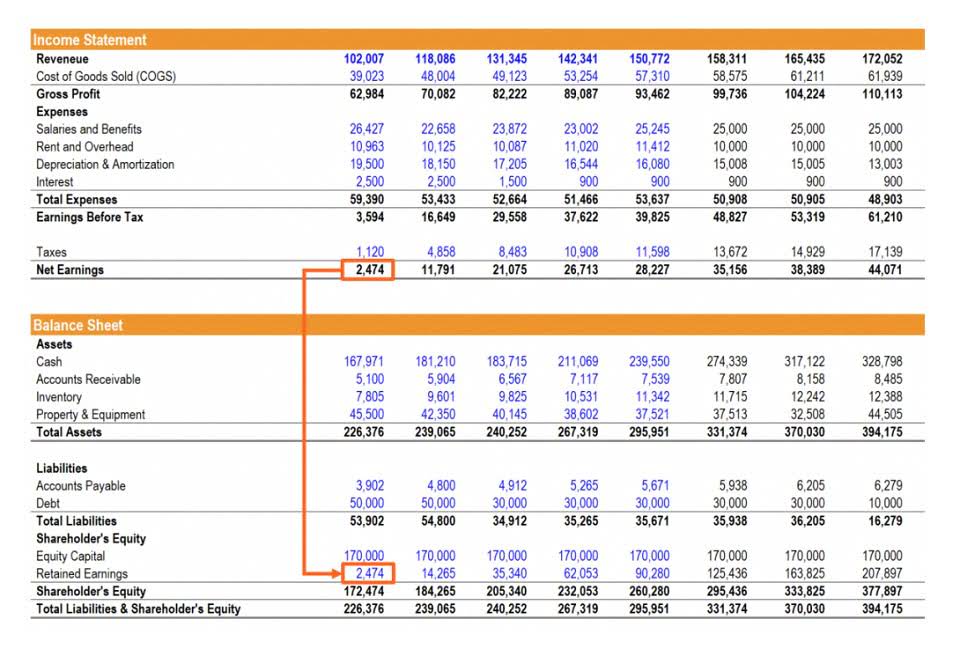
Understanding your revenue recognition options is crucial for accurate financial reporting and strategic planning. The efforts-expended method is useful when costs alone are not a reliable indicator of project progress. It focuses on the actual effort expended, such as labor completed contract method example hours, machine hours, or materials used, to calculate the percentage of completion. Enterprise resource planning (ERP) solutions make it easier to predict and avoid cost overruns by streamlining resource management, cash flows prediction, and project risks assessment.